
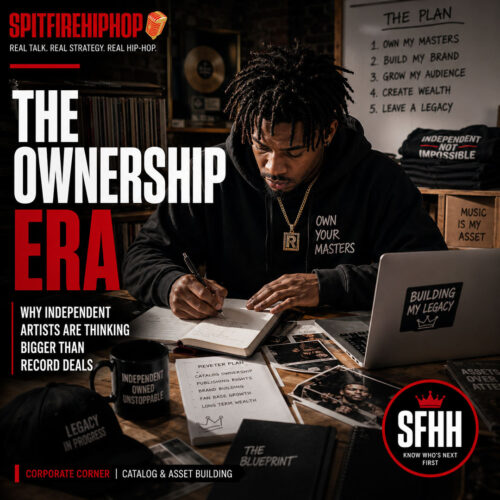
The Dream Is Changing
For decades, aspiring artists shared the same goal.
Get signed.
A record deal represented validation, opportunity, and success. Labels controlled access to distribution, promotion, radio, marketing, and industry relationships. For many artists, signing a deal felt like crossing the finish line.
But something interesting has happened over the last several years.
The finish line moved.
Today, a growing number of independent artists are no longer asking how quickly they can get signed. Instead, they are asking a different question:
What can I build that I actually own?
That shift may be one of the most important changes happening in Hip-Hop right now.
Access Is No Longer the Problem
The traditional music business was built around gatekeepers.
If artists wanted audiences, they needed access to infrastructure controlled by labels, distributors, radio stations, and media companies. Ownership often became secondary because exposure was the primary challenge.
The internet changed that equation.
Today, artists can:
- distribute music globally
- communicate directly with fans
- sell merchandise
- create content
- build communities
without asking for permission.
The barriers that once made record deals essential have become significantly smaller.
As access became easier, ownership became more valuable.
Hip-Hop Is Thinking Like Business Again
Hip-Hop has always contained an entrepreneurial spirit.
From independent labels to mixtape movements, many of the culture’s biggest success stories were built by artists who understood the value of controlling their own destiny.
That mindset is becoming more common again.
Artists are increasingly focused on:
- publishing rights
- master recordings
- brand equity
- merchandise
- direct-to-fan relationships
Not because they reject success. Because they want a larger share of it. The conversation has evolved beyond simply making music. Artists are thinking about leverage, assets, and long-term wealth creation in ways that were once reserved for executives and investors.
Listen to Spit Fire Radio: www.spitfireradio.com
The Catalog Is Becoming the Asset
One of the biggest shifts happening in modern Hip-Hop is the growing recognition that music itself can become an asset.
A song is not just a song.
A catalog is not just a collection of releases.
For artists who maintain ownership, their music becomes intellectual property capable of generating value long after its initial release.
That realization changes how artists approach their careers. Instead of focusing solely on the next single, many are beginning to think about building catalogs that grow stronger over time. The goal is no longer just attention. The goal is accumulation.
Ownership Creates Options
One of the most overlooked benefits of ownership is flexibility.
Artists who own their work often have more freedom to:
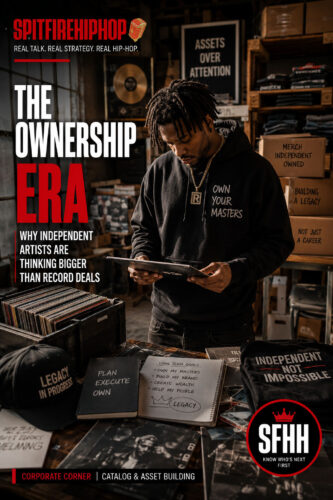
- negotiate partnerships
- explore licensing opportunities
- create independent revenue streams
- control creative direction
Ownership creates leverage because it gives artists something valuable to bring to the table. Without ownership, many opportunities become dependent on external approval. With ownership, artists have more control over how opportunities are created in the first place. That distinction is becoming increasingly important in a rapidly changing industry.
Fans Are Supporting Independent Ecosystems
Another reason ownership is becoming more attractive is because fans are becoming more willing to support artists directly.
The relationship between artist and supporter has changed dramatically.
Fans now purchase:
- merchandise
- limited releases
- memberships
- live experiences
- exclusive content
because they want to support artists they believe in.
This creates an environment where ownership becomes even more valuable. Artists are no longer relying entirely on intermediaries to monetize their work. They can build ecosystems around their music that generate revenue from multiple directions.
The artist becomes more than a performer. They become the owner of a growing business.
The Corporate Corner Perspective
The ownership era is not necessarily about rejecting record deals. It is about changing how artists think about them. Previous generations often viewed deals as destinations. Many modern artists view them as potential partnerships. That difference matters. Partnerships are negotiated differently from dependency.
Artists who own assets have leverage.
Artists with leverage have options.
Artists with options often make stronger long-term decisions. The future of Hip-Hop may belong to creators who understand that ownership is not simply a legal concept. It is a strategic advantage.
Building Instead of Borrowing
At its core, the ownership movement reflects a larger cultural shift.
Artists are becoming increasingly interested in building things that outlast trends.
Followers can disappear.
Algorithms can change.
Platforms can decline.
Owned assets remain.
That reality is reshaping how many artists define success. Instead of chasing temporary visibility, they are investing in foundations designed to create long-term value.
The mindset is shifting from:
The mindset is shifting from:
“How do I get on?”
to:
“How do I build something that lasts?”
Final Thoughts
The ownership era is not a trend.
It is a mindset.
Hip-Hop artists are increasingly realizing that control, leverage, and long-term wealth often begin with ownership. The ability to build, protect, and grow assets may become one of the defining characteristics of successful artists in the next decade.
Record deals will continue to exist. Partnerships will continue to matter. But the artists shaping the future of Hip-Hop are asking bigger questions than previous generations. They are not just thinking about getting signed. They are thinking about what they can own.