

The Business Model That Changed Everything
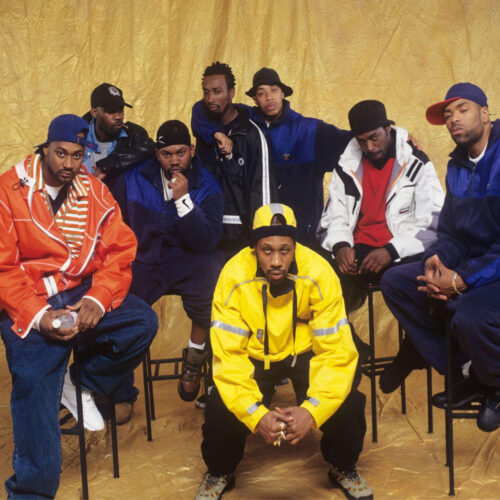
When Wu-Tang emerged in the early ‘90s, they weren’t just another group trying to get signed. Under the vision of RZA, they constructed a deal that allowed each member to pursue solo contracts with different labels while still operating under one collective identity.
That move did more than create flexibility; it created leverage.
Instead of being controlled by one system, Wu-Tang multiplied its presence across the industry. Albums, features, branding, and publishing all expanded simultaneously, turning the group into something bigger than music.
They became an ecosystem.
Why That Matters in a Rock Hall Conversation
The Rock & Roll Hall of Fame has historically leaned toward artists who fit traditional industry molds—clear catalogs, label-driven narratives, and centralized careers.
Wu-Tang doesn’t fit that mold. Their catalog is decentralized. Their success is distributed. Their legacy is layered across multiple identities.
And that complexity may be part of why recognition didn’t come immediately. Because when you don’t fit the system, the system takes longer to process you.
Listen to Spit Fire Radio: www.spitfireradio.com
The Ownership Factor Hip-Hop Keeps Fighting For
Wu-Tang’s story isn’t just about music—it’s about ownership.
- Owning identity
- Owning distribution
- Owning creative direction
That’s the same fight independent artists are still navigating today. Which makes their Rock Hall moment more than symbolic. It’s validation of a model the industry once resisted.
The SpitFire Take
Wu-Tang Clan didn’t just make music. They built infrastructure. And if recognition took longer than expected, it says less about their worth—and more about how institutions struggle to keep up with innovation.