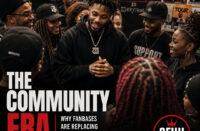
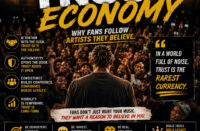
For over a decade, algorithms decided who won. Now, artists are quietly stepping away from that dependency. In 2026, Hip-Hop is entering the Algorithm Fatigue Era, a shift where artists prioritize fan ownership, retention, and leverage over viral attention controlled by platforms.
The Moment Artists Realized Something Was Wrong
The algorithm promised fairness. Anyone could upload music, and the best content would rise. But over time, artists noticed a pattern: massive exposure didn’t always translate into lasting growth.
A song could explode overnight, millions of views, thousands of new followers, only for engagement to disappear just as quickly. The attention was real, but the connection was temporary.
Artists weren’t building fanbases. They were riding waves.
What Algorithm Success Actually Produces
Algorithms optimize for attention, not loyalty. They reward content that keeps users scrolling, reacting, and consuming quickly. That’s good for platforms—but not always for artists trying to build careers.
Algorithm-driven success often leads to:
- followers who don’t return
- listeners who never explore the catalog
- fans who remember moments, not artists
- revenue spikes followed by silence
This creates volatility, not stability.
Why Artists Are Quietly Changing Strategy
Artists began studying their deeper metrics, not views, but retention.
They noticed their most valuable fans didn’t come from viral spikes. They came from:
- consistent releases
- meaningful storytelling
- direct engagement
- community-driven growth
These fans stayed longer, supported releases, and became advocates.
Artists realized the algorithm could introduce them, but it couldn’t sustain them.
The Shift Toward Direct Fan Ownership
Instead of chasing algorithmic approval, artists are building ecosystems they control.
They’re investing in:
- email lists
- fan subscriptions
- Discord communities
- exclusive content access
- direct merch relationships
This creates stability. Fans become participants, not passive viewers.
Ownership replaces dependency.
Listen live on Spit Fire Radio → https://www.myksfr.com
Why Platforms Still Matter—but Differently
Smart artists aren’t abandoning platforms. They’re repositioning them.
Platforms become:
- discovery tools
- marketing channels
- top-of-funnel attention sources
But the real fan relationship happens elsewhere.
This protects artists from algorithm volatility.
What This Means for Career Longevity
Artists who rely entirely on algorithms live in cycles of attention and obscurity. Artists who build direct fan relationships create continuity.
Direct fan power produces:
- predictable income
- higher retention rates
- stronger catalog growth
- increased negotiating leverage
This is how careers scale sustainably.
What This Means for Career Longevity
Artists who rely entirely on algorithms live in cycles of attention and obscurity. Artists who build direct fan relationships create continuity.
Direct fan power produces:
- predictable income
- higher retention rates
- stronger catalog growth
- increased negotiating leverage
This is how careers scale sustainably.
The Real Takeaway
Algorithms create attention.
Ownership creates careers.
In 2026, Hip-Hop artists aren’t rejecting platforms. They’re outgrowing dependency—and rebuilding power where it belongs: directly with the fan.