

For decades, artists were taught that “getting signed” was the finish line. In 2025, it’s often the wrong move. The smartest artists aren’t chasing contracts anymore — they’re building leverage first, then choosing partnerships on their terms.
Why “Signing” Used to Be the Goal
In the old industry model, labels controlled everything that mattered: distribution, radio, marketing, manufacturing, and access. Artists needed labels because there were no viable alternatives. Signing wasn’t a choice; it was survival.
That reality shaped generations of artists to believe that validation and opportunity came from permission. The deal was the destination.
That era is over.
What Changed — And Why the Model Broke
Technology didn’t just disrupt distribution. It removed dependency.
Artists can now:
- release globally without gatekeepers
- build audiences directly
- monetize without intermediaries
- analyze performance in real time
- scale selectively
When artists no longer need labels to function, the power dynamic flips.
Why Smart Artists Avoid Traditional Deals
Modern artists understand that traditional contracts often solve short-term problems while creating long-term limitations. Advances feel like progress, but they frequently delay ownership, dilute upside, and reduce flexibility.
The smartest artists ask a different question:
“What am I giving up, and for how long?”
If the answer compromises control without accelerating value, the deal isn’t worth it.
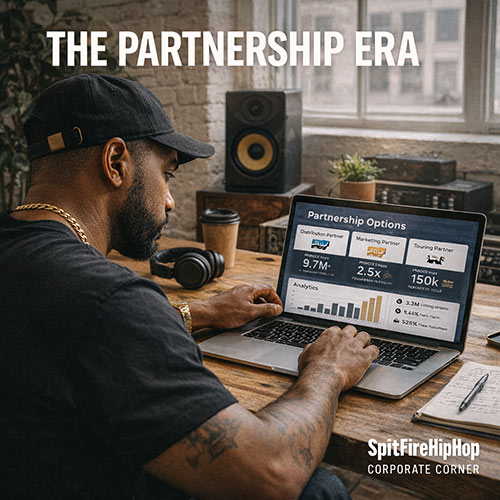
What the Partnership Era Actually Is
The Partnership Era isn’t anti-label. It’s anti-dependency.
Instead of “signing,” artists now collaborate with service providers — choosing partners for specific functions instead of surrendering their entire business.
Modern partnerships focus on:
- distribution support
- marketing execution
- playlist strategy
- international expansion
- sync licensing
- brand alignment
Ownership stays with the artist. Services are rented, not surrendered.
Why Ownership Changes Negotiation Power
Artists who own their masters, control their catalog, and manage their fan data negotiate differently. They don’t ask for permission. They evaluate opportunity.
Ownership allows artists to:
- reject bad terms without panic
- slow negotiations
- demand transparency
- limit deal scope
- exit partnerships cleanly
When walking away is real, leverage becomes automatic.
The Difference Between Growth Help and Control Loss
Not all deals are bad, but scope matters.
Smart artists differentiate between:
- growth acceleration (short-term assistance)
- control transfer (long-term dependency)
The first can be strategic.
The second is almost always expensive.
Why Labels Now Chase Artists With Leverage
Labels aren’t dumb; they’ve adapted.
Today, labels prefer artists who already:
- have momentum
- show retention
- generate revenue
- own assets
- understand their audience
Why? Because these artists are lower risk and higher upside.
Ironically, the artists most likely to get good deals are the ones who don’t need them.
What Smart Partnerships Look Like in Practice
Modern artist partnerships are:
- time-limited
- project-specific
- revenue-share based
- non-exclusive
- performance-driven
The artist remains the CEO.
Partners become contractors.
Why Independence Doesn’t Mean Isolation
Choosing not to sign doesn’t mean doing everything alone. It means choosing collaborators intentionally.
Artists in the partnership era:
- outsource execution
- retain strategy
- protect ownership
- scale responsibly
- maintain optionality
This is how businesses grow. Artists are finally adopting the same mindset.
The Corporate Corner Reality
Companies don’t give away equity to rent services. Artists shouldn’t either.
The partnership era rewards artists who build systems first, then deploy partnerships strategically — instead of hoping deals will save them.
The Real Truth
Signing is no longer the win.
Choosing well is.
Artists who own their foundation don’t chase contracts — they evaluate offers. And the smartest ones don’t sign anymore.
They partner.