
Hip-Hop artists aren’t just selling music—they’re selling movements. In 2025, the real hustle isn’t streams or shows. It’s brand ownership. From t-shirts to tech collabs, merch has become the modern label deal—and the smartest artists are all in.
Merch Is the New Mixtape
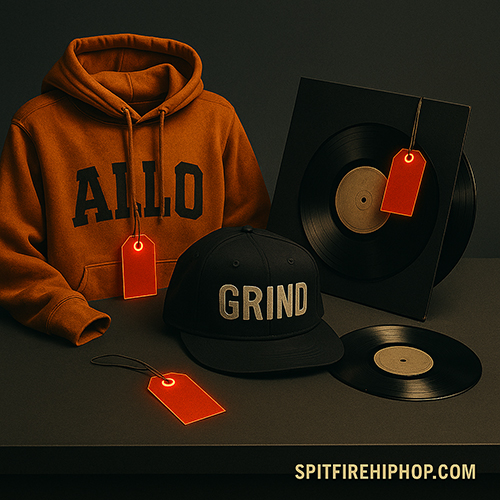
Once, rappers handed out mixtapes to build buzz. Now, they’re dropping limited-edition apparel lines. Merch is the new calling card, the bridge between sound and lifestyle. Every hoodie, hat, or tote becomes a statement of identity and independence. Artists like Travis Scott, Tyler The Creator, and Larry June have proven that a product drop can be just as powerful as a record release. The new formula? Drop, sell out, repeat. But the real innovation lies with independent artists who are using merch as their gateway into entrepreneurship, not just promotion.
From Logo to Legacy
A logo isn’t just branding, it’s storytelling. Hip-Hop artists understand that better than anyone. From Wu-Tang’s iconic “W” to Death Row’s electric chair, logos have always represented more than music; they signify culture. Today, artists are reviving that principle, crafting identities that fans can wear. These logos live on shirts, mugs, and snapbacks, but they also live in communities, symbols of shared values, loyalty, and hustle. In a digital world where music disappears overnight, a physical product creates permanence. When fans wear your logo, they carry your story.
The Independent Blueprint
Streaming pays pennies, but merch pays instantly. Independent artists are learning to flip limited-run designs into serious income streams. Using platforms like Shopify, Printful, and Squarespace, they can create, promote, and sell directly, no middlemen, no waiting for label approval. Some are even integrating their merch drops with music releases: buy the hoodie, get the EP. This ecosystem allows artists to build both revenue and recognition simultaneously. For many, it’s the difference between chasing exposure and building equity. Merch is the one business model where the artist holds all the leverage.
Cultural Capital: Why Merch Matters
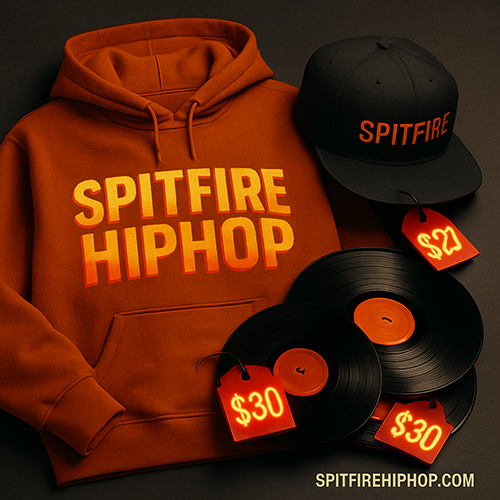
Merch isn’t about clothing, it’s about connection. Fans don’t just want to listen; they want to belong. When someone rocks a local artist’s hoodie, they’re not just showing taste, they’re showing solidarity. That’s the kind of marketing no ad spend can buy. Hip-Hop merch thrives on authenticity: limited drops, street-level imagery, and a sense of belonging that can’t be mass-produced. It’s more than fashion—it’s cultural capital. Fans aren’t just customers; they’re co-signers of your movement.
Collabs and Crossovers
Partnerships between rappers and major brands are no longer rare; they’re strategic. From Killer Mike’s Greenwood Bank to A$AP Rocky’s PUMA line, the next phase of the merch hustle is about scalability. Artists aren’t just printing tees—they’re building companies, hiring teams, and exploring licensing opportunities. Even mid-level artists are partnering with local designers, sneaker boutiques, and breweries to create collaborative products that keep revenue circulating within the community. This shift from merch to entrepreneurship marks a new kind of independence, financial and creative.
The Future: From Merch to Media
The merch hustle is evolving into something bigger, a movement toward ownership and infrastructure. Artists are turning apparel into media, storytelling into brand strategy, and fans into investors. We’re seeing the rise of micro-brands, Hip-Hop-driven businesses that reflect the same creativity once found in mixtapes. The line between artist and entrepreneur is gone. Today, every drop is a statement: “I own this.”
The next Hip-Hop mogul won’t be discovered in a studio; it’ll be in a warehouse. The merch hustle is more than a side gig; it’s the blueprint for generational wealth. Because in a culture built on self-made energy, the ultimate verse isn’t about who you sign with, it’s about what you own.