
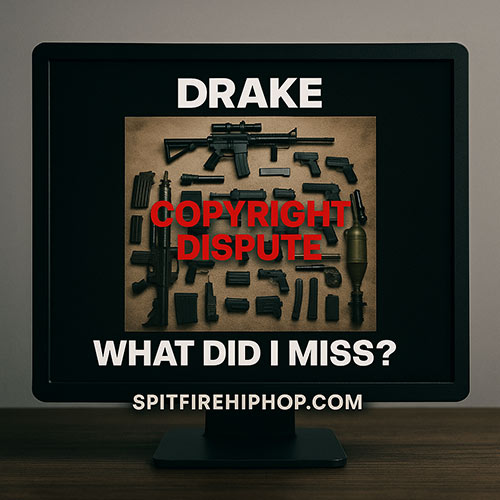
Drake is facing a new copyright lawsuit from Italian photographer Gabriele Galimberti over the artwork used for “What Did I Miss?” The case is sparking a major conversation in Hip-Hop about creative ownership, fair use, and protecting artistic work.
A Lawsuit That Cuts Deeper Than Drake
According to filings, photographer Gabriele Galimberti claims Drake’s “What Did I Miss?” cover image is a direct, unauthorized replica of one of his internationally published works.
Though Drake hasn’t publicly responded yet, the lawsuit raises a key question:
How much freedom do Hip-Hop artists actually have when creating visuals in 2025?
This issue isn’t just about Drake—it’s about the evolving creative boundaries surrounding photography, social media imagery, and album art in the streaming era.
Why Visual Ownership Now Matters More Than Ever
Hip-Hop has always thrived on imagery: iconic covers, gritty street photography, and high-concept visuals that define eras. But today’s environment is different:
- Artists pull inspiration from digital sources faster than legal teams can review.
- Viral images spread instantly—yet creators still retain rights.
- Photographers and illustrators now track unauthorized use with AI tools.
For independent artists, this lawsuit serves as a warning: even if an image “feels” public or shareable, the original creator may still have full legal protection.
Hip-Hop’s Complicated Relationship With Image-Making
From mixtape covers to music videos, Hip-Hop often samples visually the same way it samples sonically. But unlike music sampling—which now has well-defined pathways—visual art is still a wild west.
This lawsuit could influence how labels, indie artists, and graphic designers approach:
- Album art clearance
- Photography licensing
- Social media promo graphics
- AI-generated imagery vs. original work
Platforms covering stories like this, such as SpitFireHipHop.com, are seeing increased debate around whether Hip-Hop needs new standards for visual sampling.
What This Means for Independent Artists
Independent artists often move quickly, creating graphics the same day a track drops. But speed can lead to risk.
Here’s the reality this Drake case reinforces:
1. “Found images” are not safe to use
Online ≠ public domain.
2. If you didn’t take the photo or buy the license, you may not own it
Even heavily edited images can still be actionable.
3. Building relationships with photographers protects your brand
This leads to consistent visuals—and no legal surprises.
4. AI art is not a loophole
Training on copyrighted work may still create derivative imagery.
For rising artists featured on Spit Fire Radio, this is a reminder: protect your visuals the same way you protect your beats.
The Bigger Picture: Hip-Hop’s Visual Identity Is Evolving
As Hip-Hop grows more global, creators from every medium—photography, fashion, digital art—are more protective of their work.
This Drake lawsuit is a sign of that shift.
Expect to see:
- More official image licensing in Hip-Hop graphics
- Greater collaboration between rappers and visual artists
- Stricter label policies around cover art approval
If the lawsuit succeeds, artists at every level may need to rethink how they craft their digital identity.
SpitFireHipHop Editorial Note
Hip-Hop has always been built on creativity, sampling, and reinvention. But respecting the originators—musically and visually—has become part of the modern artist’s responsibility.
SpitFireHipHop will continue spotlighting the creators shaping the culture, from the artists on the mic to the photographers behind the lens.