

The Direct-to-Fan Economy: Why Streams Are No Longer the Goal
Hip-Hop is entering a new phase, and it’s forcing artists to rethink what success actually looks like. For years, the formula felt straightforward—rack up streams, gain visibility, and eventually turn that attention into income. But in 2026, that pathway is no longer reliable.
What artists are discovering now is something that has been building beneath the surface for years: streams create awareness, but they rarely create wealth.
This realization is changing behavior across the culture. Independent artists, in particular, are beginning to shift their focus away from platform validation and toward something far more valuable—ownership.
The Streaming Illusion
Streaming opened the door for global access, but it quietly introduced a ceiling on earnings. On paper, high streaming numbers look like success. In practice, they often tell a different story.
A million streams can generate a few thousand dollars before splits. Once collaborators, producers, and distribution fees are accounted for, what remains is often far less than expected. For many artists, that gap between perception and reality becomes the turning point.
It’s not that streaming has no value—it absolutely does. But its role has been misunderstood. Streaming is a discovery tool, not a financial foundation. And once artists recognize that distinction, their strategy begins to evolve.
From Streams to Systems
The shift happening now is subtle but powerful. Artists are no longer asking how to increase streams—they’re asking how to build systems.
A system is something an artist controls. It doesn’t rely on algorithms, playlist placements, or external validation. It creates a direct line between the artist and the audience, and more importantly, it keeps that connection intact over time.
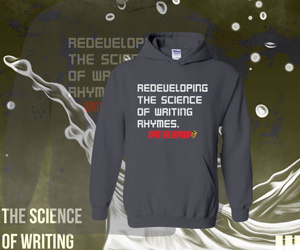
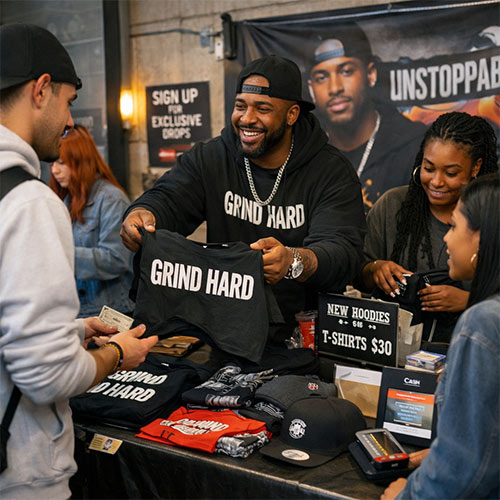
This is where direct-to-fan strategy becomes essential. Instead of sending listeners back to platforms, artists are creating environments where fans can engage, support, and return on their own terms. These environments often take shape through merchandise, owned contact lists, and exclusive experiences that live outside of streaming services.
The difference is control. When the artist owns the system, they also own the outcome.
Listen to Spit Fire Radio: www.spitfireradio.com
The Value of Real Fans
One of the most important realizations in this new era is that scale doesn’t always equal strength. A large audience with low engagement is far less valuable than a smaller audience that is deeply connected.
Artists are beginning to prioritize loyalty over volume. A supporter who consistently engages, purchases, and shares will contribute more to long-term growth than thousands of passive listeners who never move beyond streaming.
This is where the concept of “true fans” becomes real in Hip-Hop. These are the listeners who don’t just consume the music—they invest in the artist. They buy the hoodie, show up to the live, repost the content, and stay tapped in between releases.
That kind of connection cannot be rented. It has to be built.
Ownership Changes Everything
What makes the direct-to-fan model so impactful isn’t just the immediate income—it’s the long-term leverage it creates. When artists own their audience, they remove layers of dependency that have historically defined the industry.
They no longer have to wait for approval to release music. They don’t have to rely on third-party platforms to reach their supporters. They don’t have to guess who their audience is, because they have direct access to them.
This level of control changes the entire trajectory of an artist’s career. It transforms opportunities from something that must be pursued into something that can be negotiated.
At that point, partnerships become strategic choices—not necessities.
Where SpitFireHipHop Fits In
This evolution in artist behavior aligns directly with what platforms like SpitFireHipHop are building. The role is no longer just to report on the culture—it’s to actively participate in its infrastructure.
By combining media, music discovery, and merchandise, SpitFireHipHop sits at the intersection of exposure and monetization. It creates a pathway where artists can be seen while also having the opportunity to convert that visibility into something tangible.
That’s the future of Hip-Hop platforms. Not just amplifiers, but connectors—bridging attention and ownership in a way that benefits the artist directly.
The New Artist Playbook (2026)
The artists gaining real traction right now are not necessarily the ones doing the most—they’re the ones moving with clarity. They understand that each layer of the modern music landscape serves a different purpose, and when those layers work together, growth becomes intentional.
Streaming introduces the artist. It creates the first touchpoint and signals activity within the ecosystem. But it is only the beginning.
Content extends that moment. It keeps the artist visible, reinforces identity, and creates ongoing engagement that holds attention over time.
Direct-to-fan systems are where everything converts. This is where listeners become supporters, and where attention becomes income.
When simplified, the modern blueprint looks like this:
- Streaming drives discovery
- Content sustains attention
- Direct-to-fan converts income
Everything else builds around that foundation.
The Power Shift
The most important shift happening in Hip-Hop right now isn’t about sound—it’s about control.
For decades, power lived with the platforms, the labels, and the gatekeepers. Artists were expected to create while others dictated how that creation was distributed and monetized.
That dynamic is changing.
Artists now have the tools to build independently, connect directly, and scale on their own terms. But access alone isn’t enough. The advantage belongs to those who understand how to use these tools strategically.
Because in this era, success isn’t defined by how many people hear your music.
It’s defined by how many people are willing to support it—directly.