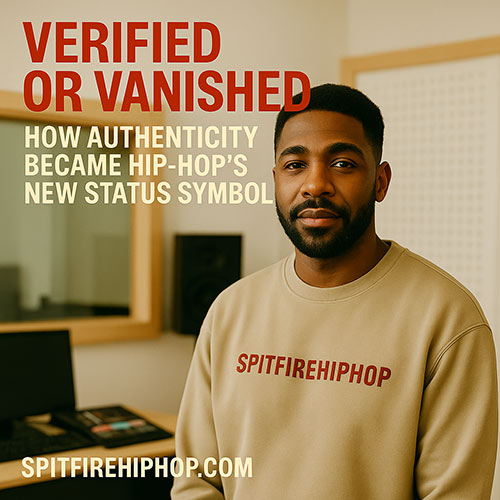
In an industry obsessed with numbers, a quiet revolution is happening. Hip-Hop artists are rejecting fake fame and reclaiming authenticity as the ultimate badge of success — proving that real recognition beats digital validation.
The Illusion of Influence: Fake Streams and Bought Fame
Hip-Hop has always been about earning respect, not inflating it. Yet in today’s streaming landscape, many artists chase the illusion of success through fake streams, AI-generated followers, and bots that promise “overnight fame.”
Streaming manipulation has become so widespread that even major platforms like Spotify have issued warnings about “artificial streams.” A French report found that over 84% of fake plays in their study came from Hip-Hop and rap. These numbers distort revenue distribution, playlist algorithms, and what’s considered “popular.”
When an artist pays for plays, they’re not just gaming the system; they’re erasing the meaning of success. Because those numbers might look good on paper, but they can’t fill a venue or move a crowd.
The Backlash: Real Artists, Real Fans
A growing number of artists are rejecting the clout trap. For them, authenticity isn’t nostalgia — it’s rebellion. They’re proving that you don’t need bots to be seen; you need believers.
Independent artists, especially, are redefining credibility. They’re cultivating loyal fanbases through real interaction — meet-and-greets, community events, live shows, and authentic engagement. These artists are “verified by the culture,” not by algorithms.
As one underground MC recently told SpitFire HipHop:
“I don’t need a blue check to prove I’m real — my fans do that every time they show up.”
That shift is powerful. It signals a cultural reset where authenticity itself has become the new flex.
The Digital Disconnect: When the Algorithm Can’t Feel Soul
Hip-Hop was built on presence, energy, and truth. But the algorithm can’t feel soul. It can only measure motion, not meaning.
AI-generated “artists” and label-backed bot campaigns now flood the charts, but they lack what Hip-Hop has always demanded: human connection. The irony? The more the machine imitates authenticity, the more valuable the real thing becomes.
Hip-Hop fans are sharp. They can spot fake engagement instantly, and when they do, it damages not just the artist but the credibility of the culture. That’s why more creators are turning away from inflated metrics and focusing on human validation instead of algorithmic approval.
Economics of Authenticity: Real Numbers Still Pay
There’s also a financial reason to stay authentic. Under streaming’s “pro-rata” model, revenue is split among total streams on a platform. Every fake play siphons money away from artists earning genuine listens.
When the numbers are real, so is the payout, not just in royalties, but in long-term brand equity. Authentic artists sell more merch, attract better partnerships, and build sustainable careers that outlast viral trends.
Platforms and listeners alike are catching on. Transparency is now part of the marketing plan. The artists who show their process, share studio sessions, and connect directly with fans are winning, because they’re selling truth in a market saturated with fabrication.
Hip-Hop’s Reset: The Rise of the Culture-Certified Artist
This new movement isn’t about anti-technology; it’s about recalibration. Hip-Hop is realigning with its original values: storytelling, truth, and representation. Artists are no longer chasing badges or bots — they’re chasing belonging.
We’re entering an era where the phrase “verified” means more than a symbol beside your name. It means being verified by your peers, your community, and your fans. The streets, not Silicon Valley, decide what’s real.
This evolution mirrors Hip-Hop’s earliest roots. When pioneers built their reputations on word of mouth, block parties, and raw talent, not clicks. The tools changed, but the code hasn’t: authenticity wins every time.
What It Means for the Culture
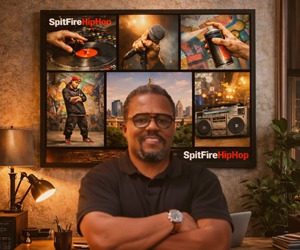
This authenticity revival is Hip-Hop’s quiet revolution, and it’s spreading fast. Underground radio stations, indie media platforms like Spit Fire HipHop, and community DJs are all amplifying artists who earn their shine.
The culture is reminding itself that credibility can’t be bought; it has to be built.
For fans, it means a return to meaningful connection. For artists, it’s liberation from digital dependence. And for Hip-Hop itself, it’s a revival of what made it powerful in the first place: truth, community, and unfiltered creativity.
In 2025, the most valuable currency in Hip-Hop isn’t streams, followers, or badges — it’s authenticity. Artists who stay real are the ones who’ll last, because their music speaks to something the algorithm never could.
Real recognition beats fake validation. Always has. Always will.