
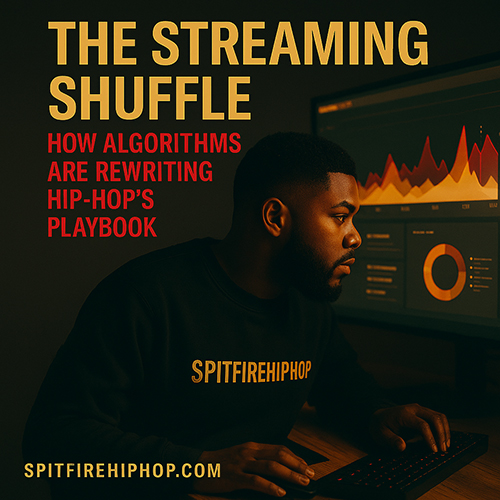
In 2025, the algorithm is the new A&R. Hip-Hop’s biggest gatekeeper isn’t a label executive, it’s a data model deciding what listeners hear next. Artists are adapting to survive in a world run by code.
The Algorithm Is the New DJ
For decades, DJs broke records and introduced fans to new sounds. Now, recommendation engines play that role. Spotify, Apple Music, and YouTube Music all use algorithms that track user behavior, skips, saves, and replays to determine what songs rise in playlists. It’s powerful, but it’s also invisible. The same algorithm that boosts one artist can bury another. In today’s Hip-Hop landscape, understanding how to please the machine is as essential as pleasing the crowd.
Playlist Politics and the New Power Brokers
Getting placed on a major playlist is the modern equivalent of radio rotation. Curators, both human and algorithmic, control exposure, and exposure drives everything from show bookings to sync deals. But here’s the catch: most “curated” playlists are algorithm-assisted. That means artists are competing not just with peers, but with the data patterns of millions of users. Independent rappers are learning to reverse-engineer these patterns through consistent drops, high engagement, and strategic collaborations that spark algorithmic interest. The system rewards activity, not artistry, and that’s reshaping how Hip-Hop is made.
Data-Driven Creativity
Some artists are embracing the data game. They analyze listener retention, regional engagement, and time-of-day spikes to decide when and how to release. Producers even craft intros that grab attention within the first 10 seconds, because that’s how long it takes before most streaming services register a “play.” The art hasn’t disappeared; it’s evolved. Today’s most innovative creators use data like a sampler, mixing analytics with intuition to stay ahead without selling out.
When the Algorithm Misses the Culture
Algorithms are built to recommend what’s similar, not what’s revolutionary. That means experimental or underground Hip-Hop often struggles to break through. The same feedback loop that promotes what’s popular can silence innovation. Many underground artists are building their own direct-to-fan platforms or leveraging Bandcamp, Audiomack, and SpitFireHipHop’s ecosystem to maintain creative freedom while still being seen. The algorithm may define exposure, but it doesn’t define authenticity.
Independent Strategy in the Stream Era
The key to winning in the algorithm era is diversification. Smart artists don’t rely on one platform; they use multiple touchpoints: social clips, email lists, radio interviews, and merch drops to stay connected. Streaming is visibility, not ownership. By combining algorithmic momentum with brand identity, independent Hip-Hop artists are learning to play the system without becoming part of it. The goal is simple: use the data to drive discovery, not dependency.
Hip-Hop has always adapted to change, vinyl to MP3, mixtape to stream, street team to algorithm. What remains constant is hustle. The artists who win today are the ones who understand that success isn’t about tricking the system; it’s about mastering it. The algorithm might control what plays next, but the culture will always decide what lasts.