
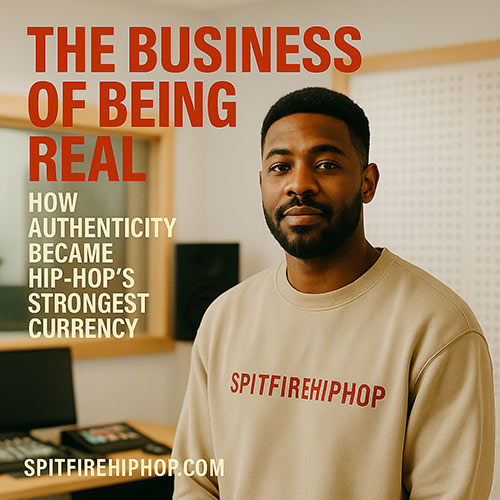
In an era of algorithms and industry gimmicks, authenticity has become Hip-Hop’s strongest currency. What started as a grassroots culture built on truth-telling, rebellion, and lived experience is once again circling back to its roots, with fans demanding realness over reach and substance over streams.
The Return of “Real” in a Digital Age
Social media changed everything. Artists can now reach millions overnight, but that access came with a price: overexposure. Fans today can sense when an artist’s persona is curated for clicks rather than carved from experience. The new generation of Hip-Hop listeners isn’t just looking for hits; they want stories that reflect authentic lives and honest hustle.
Independent artists who stay true to their voice, whether they record in home studios or sell limited-run merch- are finding that truth translates directly into engagement and sales. The audience is buying into people, not personas.
Authenticity = Brand Power
Major labels once controlled the narrative, but now, authenticity is the marketing plan. From Kendrick Lamar’s minimal social presence to artists like Rapsody, Rome Streetz, and Larry June emphasizing transparency in both lyrics and lifestyle, staying genuine has become a key differentiator in a crowded space.
Authenticity isn’t just aesthetic; it’s business. Hip-Hop entrepreneurs are launching fashion lines, podcasts, and digital media ventures that align with their core values. When fans believe in the artist, they invest in everything the artist builds, from music to merch.
The Cost of Selling Out
Chasing trends can offer short-term attention, but it rarely brings longevity. Audiences remember who kept it real when the algorithms shifted. Those who traded their truth for temporary clout often find it difficult to rebuild trust once the illusion fades.
As one industry executive recently told SpitFireHipHop.com, “Fans don’t just want music anymore, they want meaning. If you’re not saying something real, you’re invisible.”
Real Recognizes Real
The most successful artists today are blending honesty with innovation. They’re leveraging platforms like YouTube, TikTok, and Bandcamp to share behind-the-scenes content that humanizes them, not glorifies them. They talk about struggles, faith, and finances with the same transparency they bring to the booth.
In 2025, being real is no longer a slogan; it’s a survival skill.
And for Hip-Hop, that’s poetic justice.