



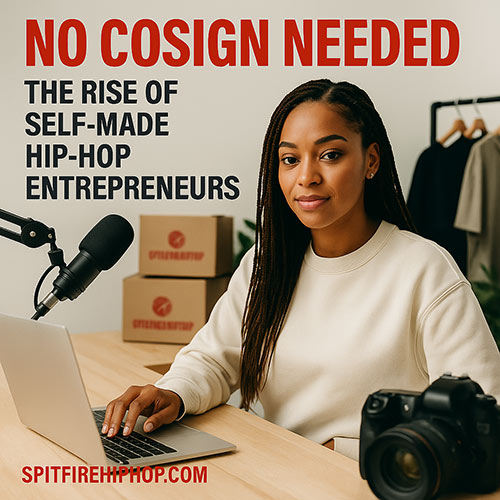
In the new era of Hip-Hop, the most powerful name in the room isn’t always the one with the biggest deal; it’s the one who owns the brand, the masters, and the audience. The game has evolved. Where once artists fought for label attention and major cosigns, today’s generation is proving that independence is not just an option—it’s the blueprint.
From Mixtapes to Marketplaces
Independent Hip-Hop has always thrived on hustle. But what began with mixtapes in trunks has matured into digital empires. Artists like Russ, Tech N9ne, and Larry June have turned self-reliance into scalable business models. By controlling distribution, merch, and marketing, they’ve built ecosystems that rival mid-sized labels.
The formula is deceptively simple: cut out the middlemen and build direct-to-fan relationships. Shopify stores, subscription models, and fan-exclusive drops are now standard in Hip-Hop entrepreneurship. Independence no longer means scarcity—it means ownership, data, and freedom.
The Cosign Culture Collapse
For decades, a “cosign” from a major artist, DJ, or label was the golden ticket. But social media democratized exposure. Artists can now go viral without anyone’s stamp of approval. TikTok and Instagram reels have become the new A&R scouts, and fan communities act as modern-day tastemakers.
The result? A cultural power shift. The same gatekeepers who once dictated success are now trying to catch up to the new generation of self-made artists running their own digital labels and media platforms. In many cases, authenticity and agility trump industry access.
The Entrepreneurial Shift
The new Hip-Hop entrepreneur isn’t just selling music, they’re selling identity. Branding, storytelling, and merchandise are the modern pillars of success. Artists are thinking like CEOs, investing in everything from tech startups to cannabis brands and fashion lines.
Take examples like Nipsey Hussle’s Marathon Clothing, which pioneered smart retail experiences, or LaRussell, who built a community-driven music model where fans invest directly in the art. The message is clear: if you can’t own the system, build your own.
Why “Independent” Now Means Infinite
What’s emerging isn’t just a new business model, it’s a new culture of empowerment. Independence in Hip-Hop has become synonymous with sustainability. Artists are not waiting for the industry to validate them; they’re leveraging platforms like Bandcamp, Audiomack, and YouTube to distribute, monetize, and connect globally.
This self-made energy has reignited the spirit of Hip-Hop’s origins, DIY creativity, social commentary, and economic liberation. The streets have become spreadsheets, and the studio is now an office for a new class of artist-executives.
The Future of Self-Made Success
The next wave of Hip-Hop moguls won’t just be rappers. they’ll be brand architects, platform founders, and data strategists. The culture is rewarding those who understand both the mic and the market. In a landscape obsessed with virality, longevity belongs to those who own their message and their masters.
As the walls of traditional gatekeeping continue to crumble, one truth stands tall: in 2025, no cosign is needed, just consistency, community, and control.


Pingback: The New A&R: How Fan Data Decides Which Hip-Hop Artists Break – SpitFireHipHop.com