
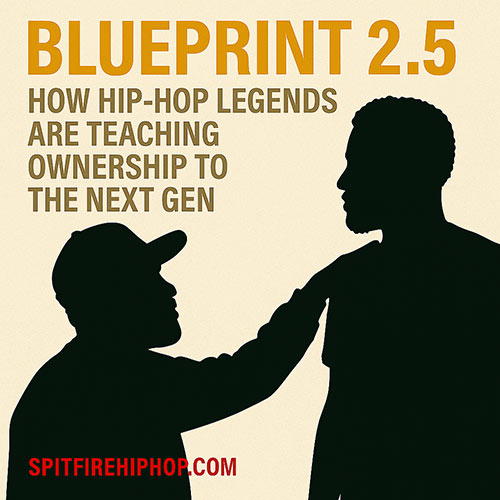
The business of Hip-Hop has always been about more than beats and rhymes; it’s about legacy. As the genre matures past its 50th year, a new phase of evolution is underway. The OGs of the culture, the builders, the moguls, the innovators, are no longer just making music; they’re passing down the blueprint for ownership to a generation that refuses to be boxed in by traditional industry structures.
From Contracts to Control
For decades, Hip-Hop artists signed deals that made them global stars but left them without control over their music, image, or wealth. But pioneers like Master P and Jay-Z flipped the script. Master P’s No Limit Records became the gold standard for independent hustle, owning masters, distribution, and branding before it was common practice. Jay-Z took the same energy to Wall Street, proving that cultural capital could translate into billion-dollar ventures.
Their success redefined what “making it” means in Hip-Hop. Today, that blueprint, let’s call it Blueprint 2.5, is less about chasing fame and more about building ownership. The new lesson: control your art, own your masters, and create something that outlives the charts.
Mentorship Becomes the Movement
As Hip-Hop legends age, they’re rewriting another important narrative: what mentorship looks like in the culture. Killer Mike, Rick Ross, and 19 Keys are among the voices leading discussions on financial literacy, business structure, and legacy. These conversations are no longer happening behind closed doors; they’re on podcasts, in barbershops, and on panels at major universities.
Killer Mike’s public advocacy for economic empowerment in Black communities has inspired countless younger artists to view financial education as part of their artistry. Rick Ross, through his Wingstop franchise empire, has become a case study in entrepreneurial diversification. And while Jay-Z rarely speaks publicly, his business decisions, from Roc Nation to TIDAL, serve as lessons in infrastructure building.
For the next generation, mentorship isn’t about co-signs; it’s about coaching.
The Ownership Curriculum
Independent artists are now learning the business side of the industry as early as they learn to write bars. Terms like “publishing splits,” “IP rights,” and “distribution deals” are part of the modern Hip-Hop vocabulary. What used to be gatekept knowledge is now accessible content.
Platforms like Earn Your Leisure, UnitedMasters, and even YouTube creators have become virtual classrooms where artists learn how to turn creativity into sustainable businesses. This new curriculum is a hybrid of street hustle and strategic planning, and it’s producing smarter artists than ever before.
Teaching Wealth, Not Just Work
Hip-Hop has always been a mirror of ambition, but now it’s a map for generational wealth. The next wave of artists, from Cordae to LaRussell, are treating independence as their inheritance. They’re forming LLCs, investing in real estate, launching product lines, and maintaining 100% ownership of their catalogues.
What’s remarkable is how the culture’s elders are encouraging this shift rather than gatekeeping it. They understand that Hip-Hop’s long-term survival depends on sustainability, not exploitation. And the new artists listening are learning to own every beat, every lyric, every brand move.
Blueprint 2.5 in Action
The future of Hip-Hop business looks less like record label offices and more like creator collectives. Artists now run content studios, clothing brands, and media outlets, just like the moguls who came before them, but with digital tools that make global reach possible from a laptop.
The Blueprint 2.5 mentality is about autonomy and mentorship working together. It’s the merging of wisdom from the first generation of moguls with the digital savvy of the new school. Ownership is no longer a dream; it’s the standard.
Legacy as the Final Verse
As Hip-Hop moves deeper into its entrepreneurial renaissance, one truth has become clear: legacy is the new luxury. The culture’s veterans are proving that success isn’t measured in charts or streams, it’s measured in how much you own, teach, and pass down.
And as this new generation continues to evolve, they’re not just learning from the legends, they’re expanding the blueprint, turning it into a movement that will shape Hip-Hop’s next 50 years.