




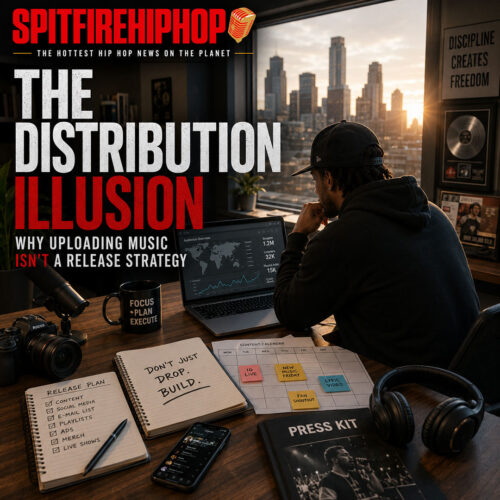
The Distribution Illusion: Why Uploading Music Isn’t a Release Strategy
Every Friday, thousands of artists celebrate the same milestone. Their latest single or album is finally live on Spotify, Apple Music, YouTube Music, Amazon Music, and every other major streaming platform. Screenshots of distribution confirmations flood social media, links are shared across every profile, and for a brief moment, it feels like the mission has been accomplished.
Then something unexpected happens.
The streams never arrive.
A few friends listen. Family members show support. Maybe a handful of loyal fans add the record to a playlist. After that, the momentum fades almost as quickly as it began. Days later, the release is buried beneath thousands of newer songs competing for the same attention.
The disappointing truth is that the music didn’t fail because it lacked quality. It failed because it never had a true release strategy. It was distributed—not launched.
That distinction has become one of the most misunderstood concepts in today’s independent music business.
Distribution Is Infrastructure, Not Marketing
Modern digital distributors have made it remarkably easy to put music on every major streaming service. Within a matter of days, artists can upload a WAV file, artwork, metadata, and release date, and suddenly their music is available around the world.
That convenience has transformed independent music, but it has also created an illusion.
Many artists now believe that distribution is the same thing as promotion.
It isn’t.
A distributor’s responsibility is to deliver your music to digital service providers, collect royalties, manage reporting, and ensure your recordings are properly registered. Those are incredibly valuable services, but none of them generate demand for your music.
Your distributor isn’t convincing listeners to press play.
Your distributor isn’t pitching your story to publications.
Your distributor isn’t building your audience.
Your distributor isn’t creating conversations around your release.
Distribution simply opens the door. It doesn’t bring anyone inside.
Every Day You’re Competing Against an Entire Industry
One of the biggest realities artists underestimate is the amount of competition entering streaming platforms every single day.
More than 120,000 new tracks are uploaded daily across major digital services. That means your release isn’t competing with only artists in your city or your genre. It’s competing with major labels, viral creators, independent musicians, catalog reissues, soundtracks, podcasts, and global marketing campaigns that have spent months preparing for release day.
Algorithms cannot promote music that nobody is engaging with.
Streaming platforms react to listener behavior. They reward songs that demonstrate signs of genuine interest, including saves, repeat listens, playlist additions, shares, and completion rates.
Without early engagement, your release becomes another file sitting inside an enormous digital catalog.
Promotion Starts Long Before Release Day
One of the most common mistakes independent artists make is waiting until release day to begin talking about their music.
By then, you’ve already missed the opportunity to build anticipation.
Successful releases often begin weeks in advance. Fans are introduced to snippets of the record, behind-the-scenes studio footage, artwork reveals, release announcements, countdowns, and pre-save campaigns. Journalists receive press materials before the music becomes public. Radio programmers have time to review submissions. Content creators know when the record is arriving.
By release day, the audience is already expecting the music.
That anticipation creates momentum, and momentum is one of the most valuable assets an independent artist can generate.
Listen to Spit Fire Radio: www.spitfireradio.com
Release Day Is the Beginning—Not the Finish Line
Far too many artists treat release day like graduation.
They publish a streaming link, make one social media post, and immediately begin working on the next song.
Professional campaigns work differently.
Release day should mark the beginning of your marketing cycle, not the end of it.
The following weeks should include interviews, visual content, lyric videos, performance clips, producer breakdowns, reaction videos, podcast appearances, radio servicing, newsletter updates, playlist outreach, and continued conversations across every platform where your audience spends time.
One song should fuel dozens of pieces of content.
Instead of asking, “What do I post today?” ask, “How many stories can this record tell?”
That shift in thinking extends the lifespan of every release.
Build Content Around the Record, Not Just the Record Itself
Listeners don’t simply connect with music anymore.
They connect with personalities, creative processes, stories, and experiences.
Your audience wants to know why the song exists.
They want to see the recording sessions.
They want to understand the lyrics.
They want to hear the producer explain the beat.
They want to watch live performances, studio moments, rehearsals, collaborations, and conversations that give the music additional meaning.
Every release contains multiple narratives waiting to be shared.
Artists who consistently create content around those narratives dramatically increase the opportunities for discovery.
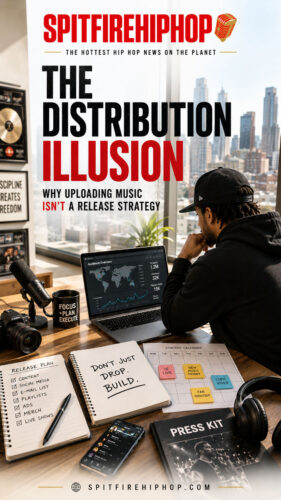
Think Like a Campaign Manager
Major labels rarely view a release as a single event.
They view it as a campaign.
Independent artists should adopt the same mindset.
A successful release campaign might include:
- A pre-save campaign before release.
- Media outreach to blogs and publications.
- Internet radio servicing.
- Playlist submissions.
- Short-form video content across multiple platforms.
- Behind-the-scenes footage.
- Artist interviews.
- Newsletter announcements.
- Live Q&A sessions.
- Fan engagement challenges.
- Follow-up content weeks after release.
None of these activities require a major-label budget. They require planning, consistency, and execution.
Create a Repeatable Release System
Rather than inventing a new process every time you drop music, build a system you can improve with every release.
A simple framework might look like this:
30 Days Before Release
- Finalize artwork and metadata.
- Announce the project.
- Launch pre-save links.
- Begin teaser content.
14 Days Before Release
- Send press releases.
- Service internet and terrestrial radio.
- Pitch playlists.
- Schedule interviews.
Release Week
- Publish across every social platform.
- Send newsletters.
- Release short-form videos.
- Engage directly with fans.
Two to Four Weeks After Release
- Publish additional visual content.
- Highlight fan reactions.
- Release performance clips.
- Continue playlist outreach.
- Promote interviews and podcast appearances.
A repeatable process removes guesswork while improving results over time.
The Real Goal Isn’t Distribution—It’s Discovery
Music cannot build a career if nobody hears it.
Distribution gives your music an address.
Marketing gives people a reason to visit.
Those are two entirely different responsibilities.
Independent artists who understand that difference stop measuring success by whether their music reached streaming services. Instead, they begin measuring how effectively they reached listeners.
That mindset transforms releases from isolated events into long-term opportunities for growth.
The artists who consistently build audiences aren’t simply uploading more music than everyone else.
They’re creating better campaigns around every release.
As the music industry continues evolving, one principle remains unchanged: people can’t support music they never discover.
Upload your music.
Then get to work.



Pingback: Slik Jack & Vincent Pryce Deliver a Gritty Statement With “LongLive The LowLife” – SpitFireHipHop.com