




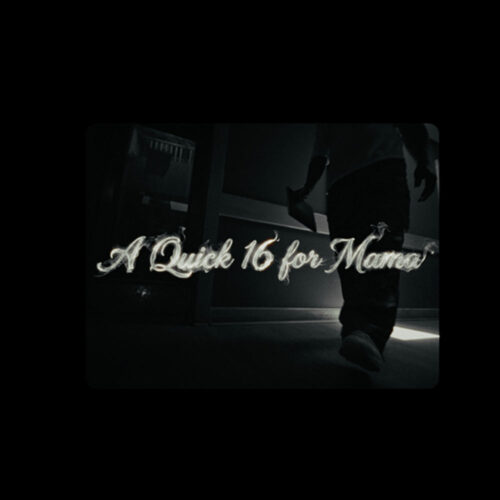
“A Quick 16 for Mama” belongs in the second category. De La Soul’s latest visual featuring Killer Mike is not designed to chase trends, viral moments, or algorithm-driven attention spans. Instead, it slows the room down and forces listeners to sit with memory, reflection, and gratitude. In a Hip-Hop era overloaded with disposable content, that alone makes this release stand out.
Pulled from De La Soul’s 10th studio album, Cabin In The Sky, the track feels deeply personal without losing the sharp craftsmanship that has defined the legendary trio for decades. The song moves like a letter written in real time. Every bar feels intentional. Every pause feels earned. The emotion in the record never sounds forced or overly dramatic because De La Soul understands something many artists forget: honesty always cuts deeper than performance.
Killer Mike’s presence on the track elevates the emotional gravity even further. His verse does not arrive as a guest feature searching for attention. It arrives like testimony. Mike approaches the record with maturity, vulnerability, and precision, matching the spirit of the song instead of trying to overpower it. The chemistry between both sides feels natural because the record is rooted in shared experience and emotional truth rather than industry pairing logic.
The visual direction from Terrius Mykel strengthens the mood immediately. The video leans into cinematic restraint instead of overstimulation. Dark tones, isolated movement, and reflective framing create an atmosphere that mirrors the emotional core of the song. Rather than flooding the screen with effects, the video allows the storytelling to breathe. That decision gives the record room to resonate in a way many modern Hip-Hop visuals never do.
Listen to Spit Fire Radio: www.spitfireradio.com
What makes “A Quick 16 for Mama” especially important is how it reinforces De La Soul’s continued relevance without sacrificing identity. Too many veteran acts attempt to modernize themselves by abandoning the qualities that made them timeless in the first place. De La Soul refuses to do that. They continue evolving while remaining unmistakably themselves. The wisdom, warmth, and humanity that built their legacy still sits at the center of the music.
Cabin In The Sky arriving through Mass Appeal also feels fitting. The project carries the type of intentional artistry that aligns with Hip-Hop’s deeper cultural roots rather than surface-level consumption. This is not music designed to disappear after a weekend rollout. It is music built to stay with listeners long after the first play.
The emotional impact of “A Quick 16 for Mama” also speaks to something larger happening inside Hip-Hop right now. Audiences are reconnecting with records that offer substance, reflection, and lived experience. As the culture becomes increasingly saturated with rapid-fire releases, songs grounded in honesty begin to feel even more valuable. De La Soul understands that timeless music is rarely rushed. It is felt.
With “A Quick 16 for Mama,” De La Soul and Killer Mike deliver more than another collaboration. They deliver a reminder of what Hip-Hop sounds like when artistry, storytelling, and emotional depth move together with purpose. It is thoughtful. It is heavy without becoming hopeless. Most importantly, it feels human.



Pingback: De La Soul & Nas “Run It Back!!” With New Official Video – SpitFireHipHop.com