




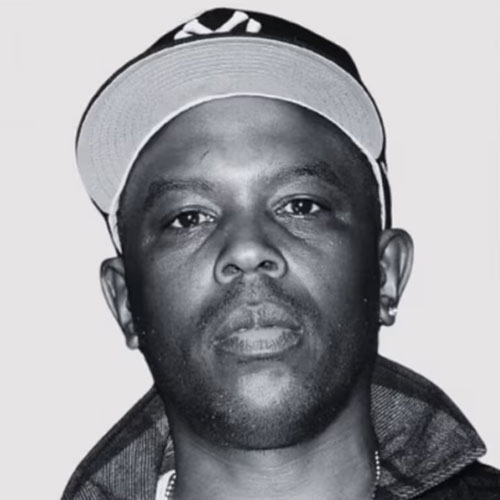
The Hip-Hop world has lost one of its most important behind-the-scenes architects.
Oliver "Power" Grant, longtime executive producer and business visionary behind Wu-Tang Clan, has passed away at the age of 52. His death has sent waves across the culture, not just because of his proximity to greatness, but because of his direct hand in building it.
Power was never the frontman. He was the infrastructure. And without infrastructure, movements collapse. Wu-Tang didn’t collapse. They scaled.
From Staten Island Roots to Global Cultural Power
Power grew up alongside the Clan in Staten Island, forming deep bonds with RZA and Divine long before the world knew what a “Wu-Tang” was.
When the group’s breakout moment came with Enter the Wu-Tang (36 Chambers), Power was already in position — not as a rapper, but as a strategist.
He understood something critical early:
Hip-Hop wasn’t just a sound.
It was leverage.
He helped structure deals, guided expansion, and executive-produced Wu-Tang releases as the collective exploded into one of the most influential forces in music history. But his most revolutionary move didn’t happen in a boardroom. It happened on the back of a CD case.
The Album Insert That Changed Hip-Hop Merchandising Forever
In 1995, Raekwon released Only Built 4 Cuban Linx..., a landmark album that redefined mafioso rap aesthetics. Fans flipped through the liner notes expecting production credits and lyrics.
Instead, they saw something unexpected:
An advertisement for Wu Wear.
That wasn’t random merch placement.
That was Power.
He used one of the most anticipated albums of the decade as a launchpad for a fashion brand. No social media. No influencer marketing. No Shopify. Just cultural positioning.
That move turned Wu Wear into one of the first major artist-owned streetwear brands in Hip-Hop history.
Before Rocawear scaled.
Before Yeezy disrupted retail.
Before artist brand partnerships became normal.
Wu Wear was proof that artists didn’t need to license their culture; they could own it.
Wu Wear: More Than Merchandise
Wu Wear quickly evolved from album-back advertising into:
• Retail storefronts in New York and Los Angeles
• National distribution deals
• International recognition
• A blueprint for independent artist apparel
Power understood brand equity before most rappers understood publishing splits. Wu Wear wasn’t just clothing. It was infrastructure for independence.
Executive Producer, Investor, Cultural Operator
As executive producer, Power helped solidify Wu-Tang’s identity during its most volatile years. He wasn’t chasing fame. He was protecting the machine. The Wu-Tang Clan wasn’t structured like other groups. Each member secured solo deals while still operating under the Wu umbrella — a revolutionary business strategy at the time.
That required coordination. Trust. And someone thinking long-term. Power helped maintain that architecture.
A Blueprint Independent Artists Still Follow
Today, artists talk about:
• Ownership
• Direct-to-consumer monetization
• Brand extensions
• Merchandise drops
• Content platforms
• Multi-revenue ecosystems
Power was executing that in the mid-90s. He helped prove Hip-Hop could operate like a corporation without losing its cultural authenticity. That duality — culture + commerce — is where real power lives.
And his nickname wasn’t accidental.
Why His Death Matters Now
Hip-Hop is in a transitional era.
Streaming economics favor corporations. Labels still extract. Independent artists fight for margins. Power represented something different:
Ownership before it was trendy.
Brand leverage before it was taught.
Strategic autonomy before it was hashtagged.
He helped build a model that allowed artists to scale without sacrificing their culture. That matters more than ever in 2026.
Rest In Power
Oliver "Power" Grant leaves behind a legacy that extends beyond music credits.
He leaves:
• A fashion blueprint
• A business architecture
• A culture-first expansion model
• A reminder that behind every movement is structure
The back of a CD insert changed Hip-Hop forever.
Rest in powerful peace!



Pingback: Ras Ceylon Announces Studio Album “Scrollz of Lion Rock” with TIMBO KING Alongside New Video “Buzzsaw” featuring 9th Prince | SpitFireHipHop