


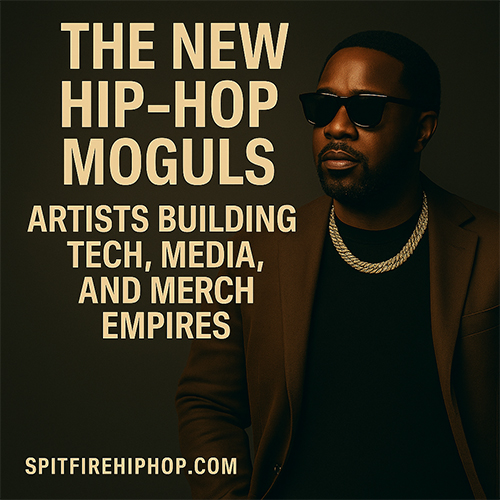
Today’s Hip-Hop moguls aren’t just making music—they’re building ecosystems. From tech startups to apparel lines, artists are redefining wealth and ownership, turning creativity into sustainable business empires that reach far beyond the booth.
The Rise of the Entrepreneurial Artist
The blueprint for Hip-Hop success has evolved. While record sales once defined status, the modern mogul is an entrepreneur first. Artists like Jay-Z, Nas, and 50 Cent opened the door, but now younger creatives are following suit, building independent record labels, podcast networks, gaming platforms, and even blockchain companies. The mission is no longer just to get signed, it’s to build something that signs others.
These new moguls understand that the real power lies in infrastructure. Instead of chasing brand deals, they’re creating their own. From custom sneaker collabs to streaming apps designed for indie artists, Hip-Hop is expanding from culture to commerce.
Tech Is the New Stage
In 2025, the tech industry has become Hip-Hop’s new arena. Rappers and producers are investing in or founding startups that bridge creativity with innovation. Apps that connect artists directly to fans, AI-driven music analytics tools, and blockchain-backed distribution systems are helping artists maintain both control and profit.
Hip-Hop has always been about flipping limitations into opportunity, and tech is the ultimate flip. The same way early MCs used turntables to remix the system, today’s moguls are using code and capital to remix the business landscape.
Media Power and Narrative Control
Owning your story is the new definition of success. Independent Hip-Hop outlets, YouTube channels, and podcasts are thriving because they give artists control over their message. Many creatives are building their own platforms, spanning from music journalism to digital studios, rather than relying on corporate gatekeepers.
By doing so, they’re not just protecting their legacy; they’re shaping the conversation around Hip-Hop culture. The new moguls are media-savvy storytellers who understand that influence doesn’t end when the track stops. It continues through visuals, interviews, and branded experiences.
Merch as a Movement
Merchandise is no longer just about t-shirts; it’s brand architecture. Artists are designing collections that express values: independence, loyalty, and community. The best merch doesn’t just promote, it builds tribes. From streetwear drops to sustainable fashion lines, Hip-Hop creators are fusing design with identity, turning fans into brand ambassadors.
What’s powerful is that many are producing in-house, keeping manufacturing local and profits internal. Every hoodie, hat, and vinyl release becomes an act of ownership, proof that Hip-Hop still leads culture from the ground up.
The Mogul Mindset
The new moguls aren’t waiting for corporations; they’re building corporations. They’re learning how to file trademarks, negotiate licensing, and raise funding through partnerships and community investment. Hip-Hop has always symbolized hustle, but now it’s strategic hustle, using knowledge as currency.
More importantly, these moves inspire the next generation. Young fans aren’t just seeing rappers; they’re seeing CEOs, coders, designers, and investors. The dream isn’t only to rap, it’s to own what you create.
The future of Hip-Hop is ownership. The genre’s most innovative minds are proving that the mic is just one tool in a much bigger business plan. As the lines between culture and commerce blur, Hip-Hop’s greatest evolution isn’t sonic, it’s structural. The next moguls aren’t signing contracts; they’re writing them.